
What to Expect at Mini Jam, Q3 2026: Education & Abundant Intelligence on September 29
What to expect at Mini Jam, Q3 2026: Education in the Age of Abundant Intelligence, featuring 8 exclusive sessions, on September 29 at InsightJam.com.
AI has ushered education into an era of increasingly capable, on-demand intelligence. As access expands across schools, universities, and workplaces, the implications extend beyond how students and educators use new tools. They raise larger questions about the skills people need, how expertise is developed, and what education should prepare people to do.
AI can now assist with many of the foundational tasks once used to build knowledge, experience, and capability. The challenge is determining which human skills become more valuable as AI improves, while ensuring that students can still practice, develop judgment, and progress from learners to capable professionals.
This quarterly Mini Jam on Insight Jam virtual event brings together educators, EdTech leaders, workforce development experts, and learning model innovators to explore the human impact of education in an era of abundant intelligence.
The program moves from the skills people need to differentiate themselves alongside AI to the changing pathways through which students develop experience, expertise, and readiness beyond the classroom.
Our expert keynotes and panelists will consider what changes should be considered across teaching, learning, assessment, curriculum, credentials, and institutional design; what must remain human in most ways; and how education should adapt to this new paradigm we find ourselves in today.
All-in, Mini Jam Q3, 2026 provides an unparalleled opportunity to gain insights, engage with experts, and stay at the forefront of the conversation on the human impact of AI on education. Be sure to register for free at Insight Jam to watch all the sessions live or on demand.
Mini Jam, Q3 2026: Education in the Age of Abundant Intelligence
10 AM EST Expert Roundtable: Human Skills: What Matters More as AI Gets Better with Vlad Vaiman, PhD, as Panel Moderator
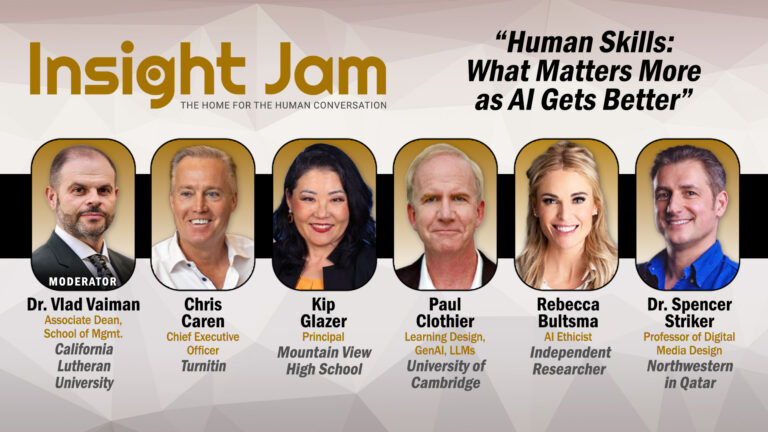
As AI grows more capable, educators must ask what students can do that machines cannot. This panel examines the human capabilities gaining value, including critical thinking, communication, collaboration, adaptability, judgment, creativity, and agency. Panelists will identify undervalued skills, discuss how to distinguish genuine critical thinking from AI-polished work, and share classroom practices that build judgment and agency rather than test knowledge.
Watch on Insight Jam, LinkedIn Live, or YouTube.
11:00 AM Keynote: Programming Human Connection: Teaching Durable Skills to Early Learners in the Age of Technology, featuring Elizabeth Voci.
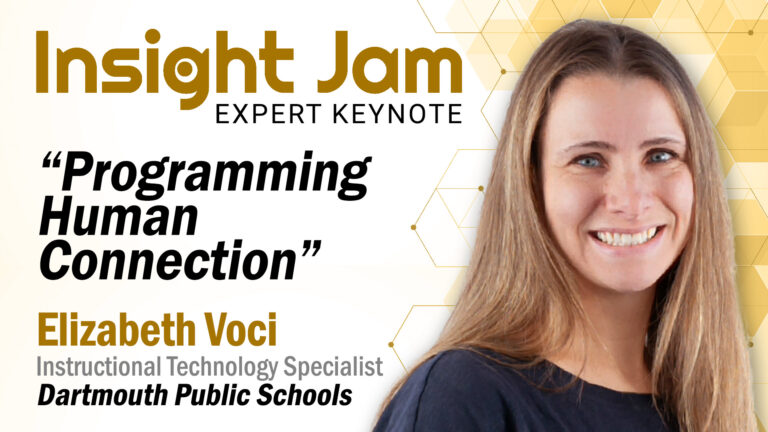
Elizabeth Voci—an Instructional Technology Specialist for Dartmouth Public Schools, and Director of Curriculum Development at ED Technology Specialists—hosts the first keynote session for the Q3 Mini Jam. Drawing on her over 10 years of experience in the education world, Voci will explore ways to teach durable skills and foster human connection with early learners in this increasingly technology-centric landscape.
Watch on Insight Jam, LinkedIn Live, or YouTube.
12 PM EST Expert Roundtable: How Do Students Advance When AI Does the Entry-Level Work?, with Kerry Akashian, Ph.D. as Panel Moderator.
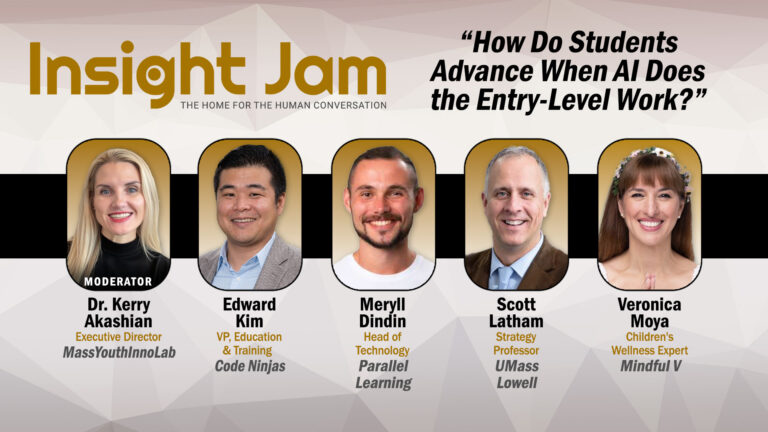
For generations, students, interns, and apprentices built expertise through foundational tasks that AI can now perform. Panelists will discuss what should replace entry-level work, which tasks students should still complete without AI because the struggle builds skill, and how educators can judge whether a student is ready to critique AI-generated output. They will highlight internships, courses, and workplace redesigns that give beginners authentic responsibility, and debate whether schools, employers, professional associations, or students themselves should preserve these pathways into expertise.
Watch on Insight Jam, LinkedIn Live, or YouTube.
1:00 PM Keynote: What AI Can Do for Writing Teachers, featuring Brian Connell.
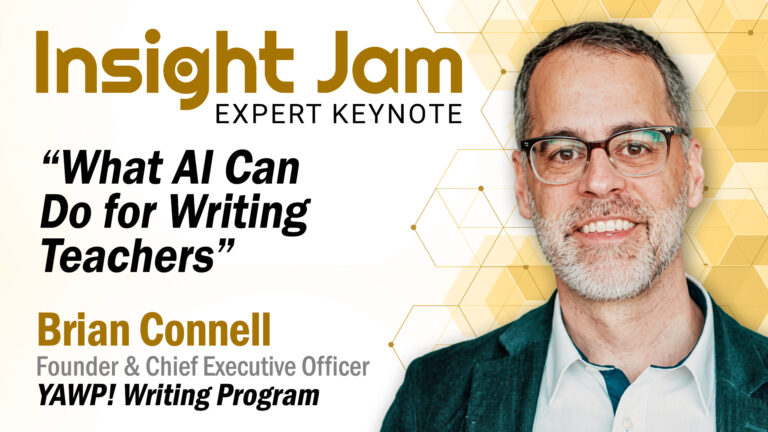
Throughout his career in education, Brian Connell has focused on highlighting the inherent potential of students and teachers working together to make a difference in the world. In his keynote session, he will examine how AI can support writing teachers by drawing on his experience as the Founder of the YAWP! Writing Program, which is an educational platform that uses AI to deliver immediate, personal feedback to students without doing the work for them.
Watch on Insight Jam, LinkedIn Live, or YouTube.
2 PM EST Expert Roundtable: What Should Education Become?, with Laura Spencer, Ed.D. as Panel Moderator.

Beyond questions of AI adoption lies a bigger one: how should education itself evolve in an era of abundant intelligence? This panel brings together education leaders and innovators to reimagine teaching, assessment, curriculum, credentials, and the structure of schools and universities. Panelists will discuss what students still need institutions to provide, which parts of the system to rebuild first, what should remain deliberately human-led, and what evidence of learning educators can trust as assessments falter.
Watch on Insight Jam, LinkedIn Live, or YouTube.
3:00 PM Keynote: Design Before The Device, featuring Genevieve Bosma Martínez, PhD.
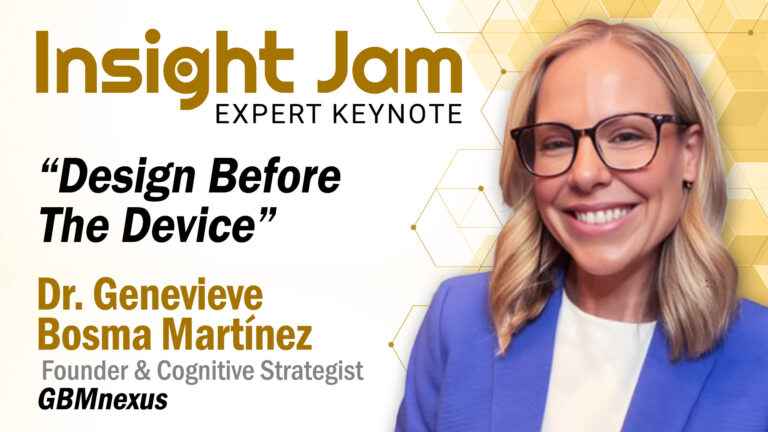
In her keynote, Dr. Genevieve Bosma Martínez, educator, researcher, and founder of GBMnexus, will draw on her 25+ years of experience in K–12 classrooms and her advisory work with schools, EdTech companies, and AI organizations to explore the importance of putting design before the device when adding emergent technologies into the learning experience.
Watch on Insight Jam, LinkedIn Live, or YouTube.
4 PM EST Expert Roundtable: Navigating Student and AI Work in Higher Ed, with Patrick Dempsey as Panel Moderator.
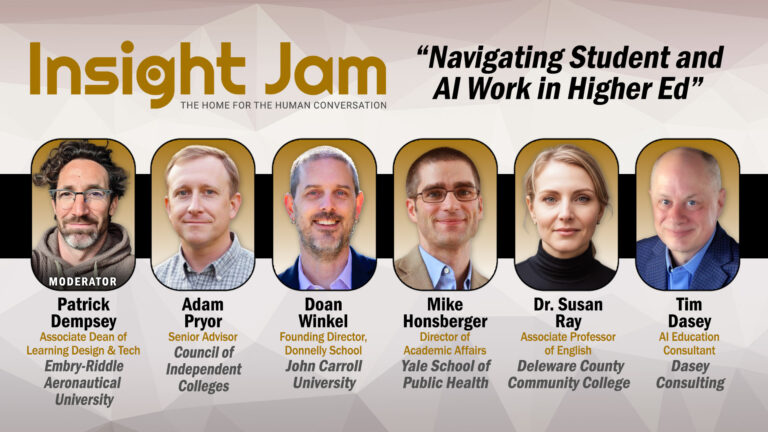
How can educators see student thinking when AI can polish any final product? Drawing on a debate-style volume on transparency and reflection, this panel examines how to make learning visible in higher education. Panelists weigh process documentation against performative reflection, question whether cognition can genuinely be surfaced, and explore how grading and power dynamics shape what students share. They also address the time and support faculty need to redesign assessment and build communities of practice.
Watch on Insight Jam, LinkedIn Live, or YouTube.

Tim King
Executive Editor
Tim is Solutions Review's Executive Editor covering the human impact of AI on the future of work and learning. He is also the Media Strategist behind Insight Jam (1M+ on YouTube) events and programming. A 2017 and 2018 Most Influential Business Journalist and 2021 "Who's Who" in multiple categories, Tim is a recognized thought leader in enterprise tech and AI.
- Liberal Arts Education & AI: Bridging the Gap vs. STEM - September 11, 2026
- AI Adoption is a Behavioral Problem, Not a Technology One - July 31, 2026
- The Biggest Mistake Schools Are Making About AI - July 20, 2026